
RNG vs. Live Dealers: Which Casino Format Actually Fits You?
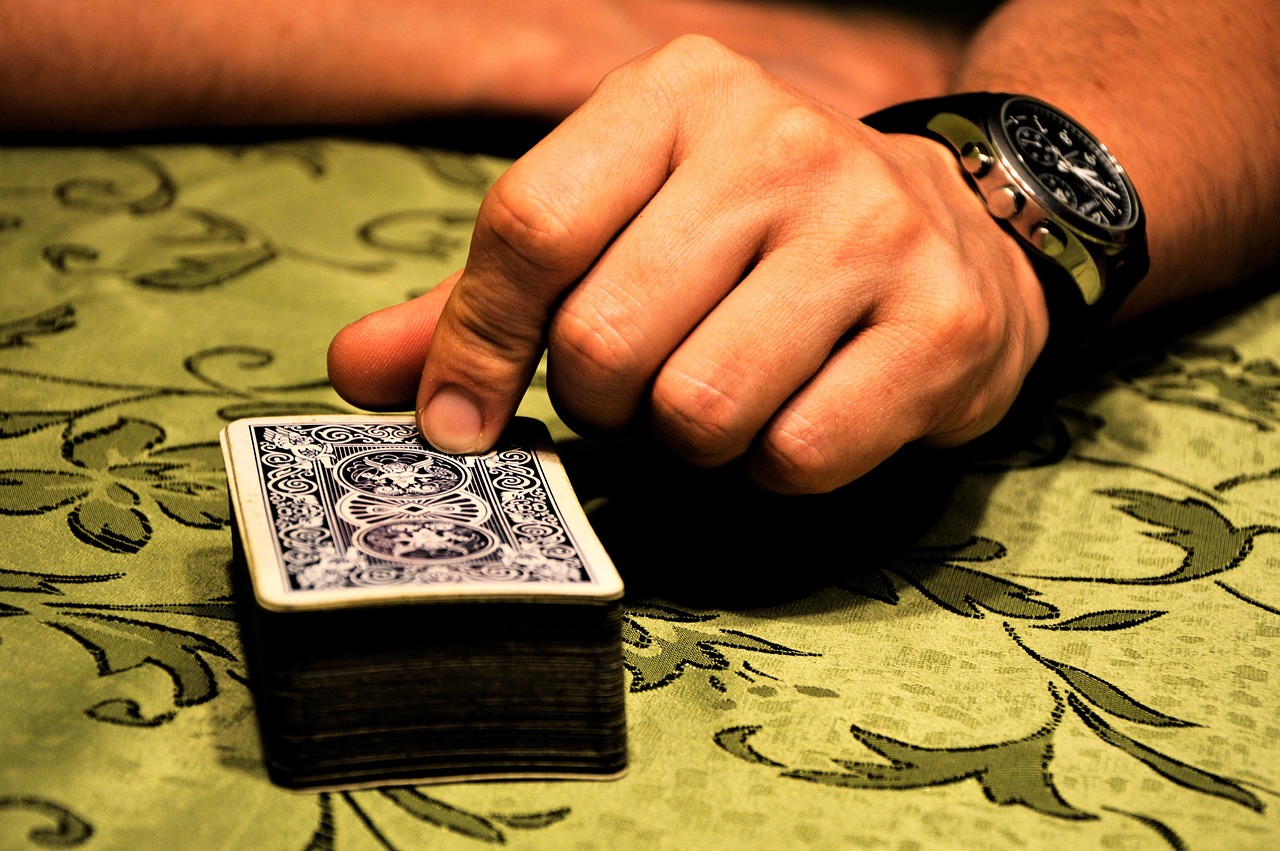
The first time you sit at a live dealer blackjack table after years of clicking through RNG screens, something shifts. The cards are real. The dealer is watching. The guy in the chat box is congratulating you in three languages. It's dramatically different from spinning a digital slot at 2 a.m. — and depending on what you're actually looking for, one format will serve you far better than the other.
Most players never stop to ask which one suits them. They just follow the marketing. That's a costly habit, because the RNG floor and the live floor reward different instincts, different bankrolls, and different patience levels. Let's break down where each format earns its keep. A detailed guide is available at สล็อต.
The Real Difference Isn't Fairness — It's Rhythm
Here's a myth worth killing early: RNG games aren't less fair than live ones. A certified slot running on Random Number Generator software audited by bodies like eCOGRA or iTech Labs holds a return-to-player rate that's mathematically locked in. A live game with a real shoe of cards holds its own edge. Both are fair; both are house-favored.
The actual difference is pace.
A digital slot can resolve a spin in two seconds. Autoplay can fire dozens of spins while you refill your coffee. A live baccarat table, by contrast, moves at the speed of a human hand — maybe 40 to 60 hands an hour versus several hundred digital outcomes. Multiply that difference across a session and your exposure swings wildly. Faster games mean higher hourly variance, even when the house edge is identical. If you've ever wondered why your slot balances vanish so much faster than your live roulette stack, that's the real answer.
When RNG Slots and Digital Table Games Win
Digital casino software deserves more respect than purists give it. It does things live games physically cannot:
- Micro-stakes flexibility. Try finding a live table with a $0.10 minimum. You won't. Digital slots regularly start at $0.01 per line.
- Volatility control. Slot providers publish volatility ratings. A high-volatility title like a Megaways-style game can pay 10,000x but will chew through 300 spins first. Low-volatility games pay small and often. Live dealers offer no equivalent dial.
- Features live can't replicate. Cascading reels, expanding wilds, bonus buy rounds, hold-and-win mechanics — these are software inventions. There's no live dealer equivalent to buying straight into a free-spins round.
- Privacy and zero pressure. Nobody watches you double down on 16 because the count felt right.
If your sessions are short, your budget is tight, or you enjoy tinkering with strategy inside a single sitting, RNG is the smarter floor. Poker players who grind fast-fold variants like Zoom or Rush will recognize the same logic: more hands, more decisions, more shots at the long run.
Why Live Dealers Are Worth the Slower Grind
Live casino exists because a screen full of numbers doesn't feel like gambling to a lot of people. It feels like a spreadsheet. Streaming a real table from a studio in Malta or Latvia restores the social electricity that online play otherwise strips out.
Beyond the atmosphere, live tables offer something practical:
- Transparent rules enforcement. A dealer shuffles, deals, and resolves in view of the camera. Some players find this reassuring after burnout from algorithm distrust.
- Better blackjack. Many live tables run 8-deck shoes with 3:2 payouts and liberal rules like dealer standing on soft 17. The best RNG blackjack games can match this, but the live versions telegraph the rules clearly.
- Real table limits and etiquette. Minimums usually start around $1–$5, which enforces discipline some players need.
- Side bet variety. Perfect Pairs, 21+3, and similar propositions are far more common live than in digital variants.
The trade-off is real: slower hands, higher stakes, and the occasional frozen stream. If your internet connection stutters during a live baccarat commission hand, you'll understand why many players keep both formats bookmarked.
Bankroll Math You Should Actually Run
Here's a concrete example. Say you bring $200 to an evening session on a slot with 96% RTP and medium volatility. At 500 spins per hour and a $0.50 stake, you're cycling $250 per hour. Expected loss: $10 per hour, but variance could bury your bankroll in 40 minutes on a bad run.
Now take the same $200 to a live blackjack table at $5 minimum. At 50 hands per hour, you're cycling $250 hourly with near-perfect basic strategy, giving the house roughly 0.5–1%. Expected loss: $1.25 to $2.50 per hour. Your money lasts dramatically longer — but you also see fewer hands, so the luck evens out less quickly.
Neither approach is "correct." They reward different temperaments. Grinders chase volume; social players chase experience.
Poker Deserves Its Own Category
It's tempting to lump poker in with other casino games, but it doesn't belong there. Slots, roulette, and baccarat are house-edge games — you lose eventually unless luck intervenes. Poker with a rake is a skill game where a strong player can win consistently against weaker opponents.
Online poker formats split the same way. Zoom-style fast-fold tables mirror the RNG slot experience: high hand volume, minimal social interaction, stat-heavy decision making. Traditional multi-table tournaments mirror the live casino rhythm: long sessions, sharper reads, real opponent psychology. A winning cash game player tracking 5bb/100 hands at $1/$2 is earning roughly $10 an hour per table before rake. Stack three tables and you're looking at genuine income — something no slot will ever offer.
So Which One Should You Pick?
Answer honestly:
- If you play in 20-minute bursts, want tiny stakes, and enjoy mechanical variety — stay digital.
- If you play long, considered sessions and value the human element — go live.
- If you want to potentially win long-term through skill — skip both and study poker seriously.
- If you just want entertainment with a predictable cost — either works, but set a hard stop-loss first.
The mistake isn't choosing the "wrong" format. It's drifting between them without a plan, chasing whatever feels lucky that night. Pick your lane. Respect the math of that lane. Then whether you're watching a dealer flip an ace or a reel snap to a scatter, you at least know exactly what game you're playing.
